What is a meme used for?
A meme is used to communicate a feeling, joke, or idea quickly through a shared image or phrase. People send memes to react in chats, explain something with humor, comment on news or work, and connect with others who get the reference. For example, the “Why?” meme with Tony Stark shows confusion, while “Trying To Explain Javascript” pokes fun at coding struggles.
Send when someone does something baffling and you want to ask “Why?” without typing a word.
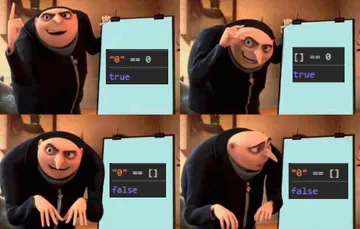
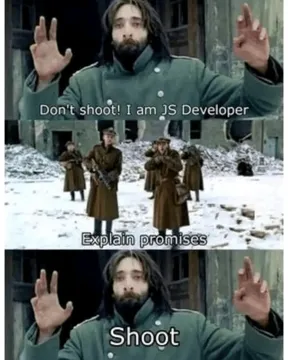
Use when you are trying to explain code or a technical idea and the explanation keeps getting more complicated.
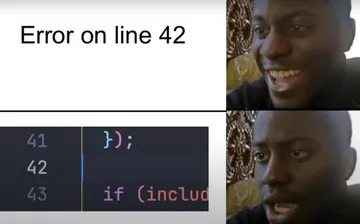
Perfect for waiting on a fix or an answer after sharing an error message.
A blank, wide-eyed bear stare for when you have no words but still want to react.
Send when you tilt your head at a confusing message and want to ask “why?” playfully.
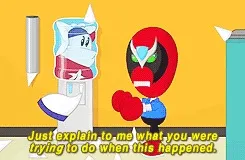
Use when you need someone to explain what they were trying to do with that weird action.
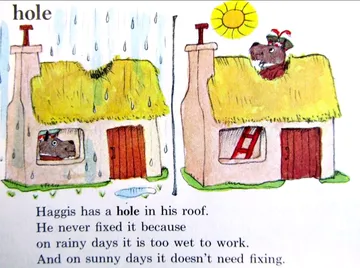
Great for explaining a messy situation like tech debt in a simple, funny way.
Send when a friend discovers an open-source tool and you want to joke about making your own version.



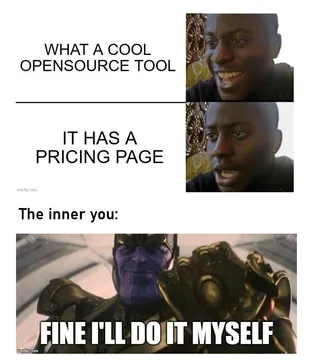
Main reasons people use memes
Memes are a fast way to react: a single image can show surprise, frustration, approval, or confusion better than a sentence. In group chats, a meme keeps the tone light and lets everyone join in.
They also work as shorthand for shared experiences. Work memes like “Explain Tech Debt Like I Am 5” or “Trying To Explain Javascript” say “we have all been there” without a long story.
Brands and creators use memes to show personality and stay relatable, but the same rules apply: the meme should fit the audience and the moment.
When to send which meme
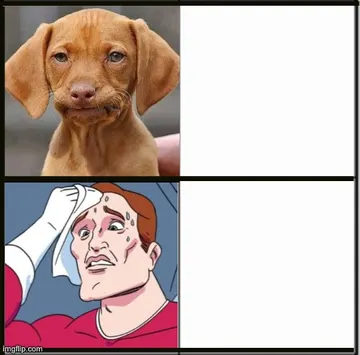
For confusion or disbelief, pick a reaction meme such as “Why?” with Tony Stark or the blank brown bear. For a technical mix-up, “Explain this 2 panel” with the sad puppy works when you are waiting for an explanation.
If you need to ask someone to clarify, “Care To Explain Yourself?” or “Just explain to me what you were trying to do” keeps the question friendly instead of accusatory.
For a lighthearted “why would you do that” moment, the girl tilting her head in “why?” is softer than a direct question.
How to find and send memes
Search a meme library by keyword or mood, then copy or download the image and paste it into your chat. memecub.com lets you browse and search without signing up.
If nothing fits, describe the character, action, and caption you want to the AI meme maker at /generate, or start from an existing meme as a reference.
Check the license before using a meme outside personal chats. Most web-collected memes are for personal use only; a filter can show openly licensed images for commercial use.
Nothing quite right? Make one
Pick a character, type a caption, get it in about 10 seconds.
More that fit


FAQ
What is the purpose of memes?
Memes spread jokes, reactions, and ideas through a shared format. They help people communicate tone and humor quickly, especially in chats and social feeds.
Why do people use memes?
People use memes to react, to make a point with humor, and to feel part of a group that understands the reference. A meme can replace a long explanation with one image.
Where do you find memes?
You can find memes in meme libraries, social media, and group chats. memecub.com offers a searchable library where you can copy or download memes for personal chats.
Is meme French for grandma?
Yes, in French “mème” means grandma, but the internet meme comes from the English word coined by Richard Dawkins. The two meanings are unrelated.
Which meme is more popular?
Popularity changes by platform and week, so there is no single answer. Reaction memes and relatable work memes tend to stay popular because they fit many situations.