What is the 3-3-3 rule in marketing?
The 3-3-3 rule in marketing is a simple content and campaign rhythm: three core messages, repeated across three channels, for three touchpoints before you ask for the sale. It is a planning shortcut, not an official industry standard, so teams adapt the numbers to their own funnel. In practice you pick three things you want people to remember, say them in three places your audience already hangs out, and let people see them a few times before a call to action.
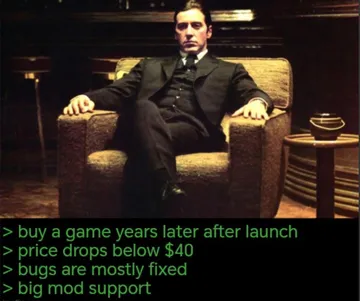
Send when you are presenting the three-message plan and want to look calm and deliberate.
The reaction when a teammate proposes repeating the same message on ten channels instead of three.
Use it to illustrate the three-channel part: a coordinated pit crew hitting every channel at once.
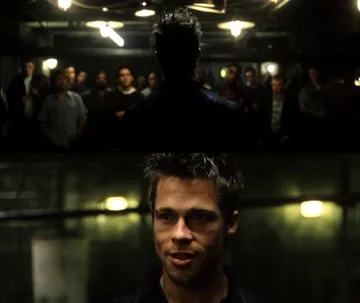
For the rule that you do not talk about the campaign mechanics in the campaign itself.
When someone asks what the third number in 3-3-3 means and the room goes quiet.
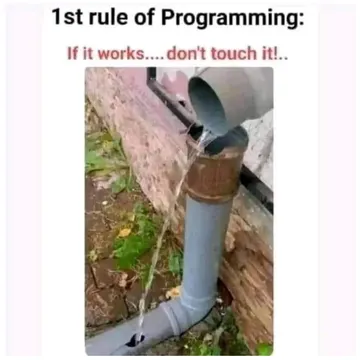
Send when the three-message plan is working and someone wants to redesign it mid-campaign.
For the moment a bold three-channel plan gets pitched and everyone nods before checking the budget.




What the three numbers usually stand for
Most teams read the rule as three messages, three channels, three touches. The first three are the ideas you want stuck in someone's head, the second three are where you show up, and the last three are how many times a person sees you before you ask for anything.
Some marketers swap the third number for three audience segments or three weeks. The rule is a memory aid, so pick the version your team can actually follow and write it down.
How to run a 3-3-3 campaign step by step
1. Write your three messages as one sentence each. If you cannot say it in a sentence, it is not a message yet.
2. Pick three channels where your audience already is, not the three you find easiest.
3. Plan three touchpoints per person: for example a first sighting, a repeat with a different angle, and a nudge with a clear next step.
4. Give each touchpoint one image. A meme works well for the first two because it reads fast and feels native to the feed.
5. Check the result after the third touch, then change one variable at a time.
Tone and etiquette when the touchpoints are memes
Use memes that match the joke your audience already makes. A meme that explains the pain of the job lands better than one that praises the product.
Keep the caption short and let the image do the work. If you need a paragraph to explain the joke, pick another meme.
Check rights before you post. Memes collected from the web are fine for personal chats, but copyright stays with the original creators and they are not for commercial use. memecub has a filter for openly licensed images that can be used commercially, and the AI meme maker can build a fresh one from a description when nothing fits.
Nothing quite right? Make one
Pick a character, type a caption, get it in about 10 seconds.
More that fit




FAQ
Is the 3-3-3 rule an official marketing standard?
No. It is a planning shortcut that circulates among marketers, and different teams define the three numbers differently. Treat it as a checklist, not a law.
What are some examples of meme marketing?
Brands borrow a familiar format, swap in a relatable work or customer moment, and keep the caption short. The joke is usually about the audience's day, not about the product.
How is 3-3-3 different from the rule of seven?
The rule of seven says people need around seven exposures before buying. The 3-3-3 rule is a lighter content plan: fewer messages, fewer channels, fewer touches, easier to run in a small team.
Can I use web memes in a paid campaign?
Not by default. Most memes collected from the web stay under the original creator's copyright and are meant for personal use. Use the openly licensed filter or generate an original meme for commercial work.
How do I find a meme for each touchpoint quickly?
Search the library by the feeling you want, or paste your draft into the AI meme placement tool and let it suggest an image for each paragraph.