Is it legal to use memes in blog posts?
Using memes in blog posts is legal only when you have the right to use the image. Memes you find on the web usually belong to their original creators, so they are fine for personal chats but not for commercial blogs. For a blog you monetize or run for a brand, use openly licensed images, get permission, or make your own meme with a tool like the memecub AI meme maker.
Send it when you ask a creator or rights holder for permission to repost their meme.
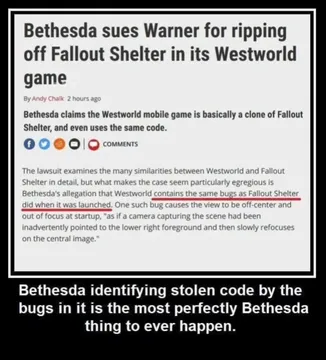
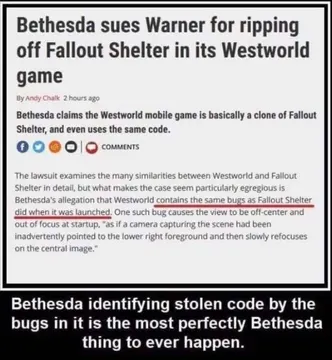
A wry caption for a post section about how copyright protects even the silly stuff.
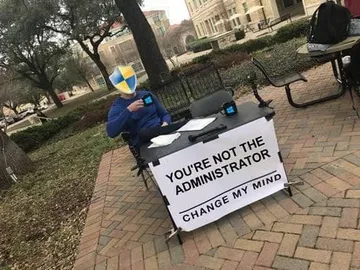
Use it in a post about brand logos and copyright, with the warning built into the title.
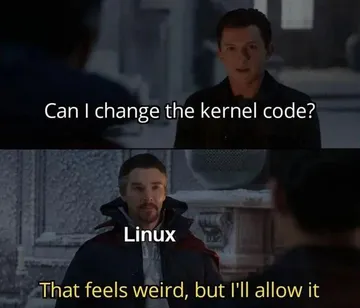
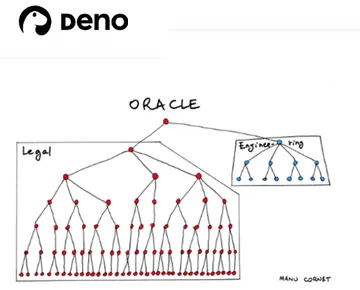
Fits a section on borrowing ideas versus copying protected work.
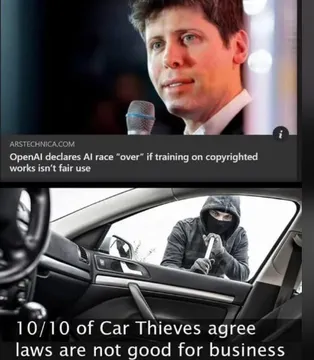
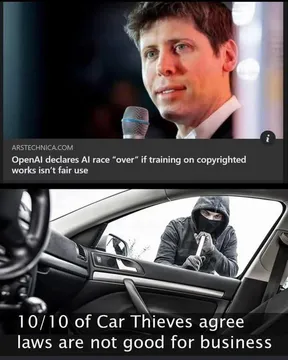
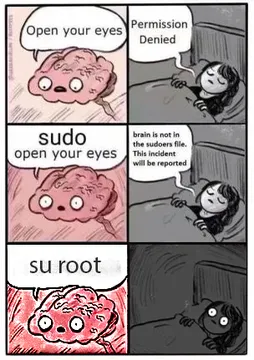
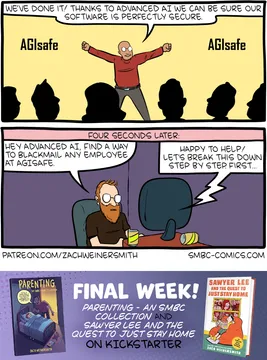
A pointed option for discussing AI training data and copyright debates.
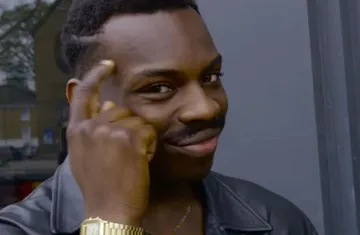
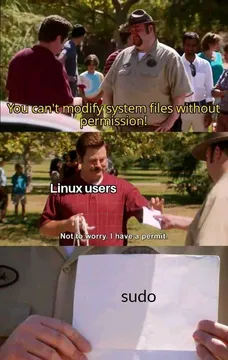
The classic “can’t get sued if you don’t post it” joke for a light disclaimer line.
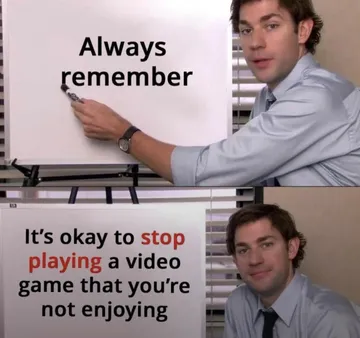
Works as a closing image in a post about finally clearing your image licenses.
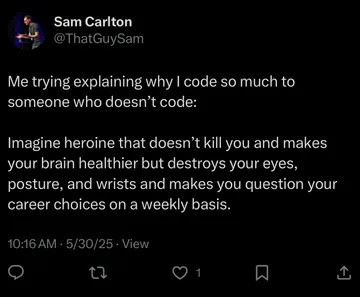
A playful header for a section on the addictive side of meme blogging.

When a meme in a blog post is usually fine
Personal, non-commercial blogs have more room, but “personal” does not mean “no rules.” A meme you made yourself, a meme built from a template you have the right to use, or an image under an open license are the safest choices.
Quoting a meme briefly to comment on it, review it, or report on it can fall under fair use or fair dealing in some countries. That is a defense, not a permission slip, and it depends on your country, the amount you use, and whether you profit.
When you can get in trouble
If your blog runs ads, promotes a business, or is part of brand marketing, treat every web-sourced meme as off-limits unless you have permission. The copyright stays with the original creator even when the meme is everywhere.
Also watch the people in the image. A meme featuring a real person can raise publicity or privacy issues on top of copyright, and a meme built on a movie still or a brand logo carries the studio’s or company’s rights too.
How to source memes safely for a blog
Step 1: Decide whether the post is commercial. Ads, sponsors, or a company blog mean commercial.
Step 2: For commercial posts, use the openly licensed filter on memecub.com, which shows images from Openverse, open-source emoji, and public-domain art that can be used commercially.
Step 3: Keep a record of the source and license next to each image, so you can show where it came from if anyone asks.
Step 4: If nothing fits, make your own. The AI meme maker at memecub.com/generate takes a character, an action, and a caption, or a reference meme, and returns an image in about 10 seconds; it refuses real people. You can also paste a draft article into AI meme placement and let it suggest a meme for each paragraph.
Step 5: Credit the creator when the license asks for it, and link back to the original.
Tone and etiquette
A meme should carry the point of the paragraph, not decorate it. If the joke needs explaining, cut it.
Avoid memes that punch down at people or rely on a real person’s likeness without consent. A quick “meme source” line under the image is good practice even when it is not required.
Nothing quite right? Make one
Pick a character, type a caption, get it in about 10 seconds.
More that fit
FAQ
Is posting memes illegal?
Not automatically. Posting a meme is illegal only when it infringes someone’s rights, for example reposting a protected image on a monetized blog without permission. Personal, non-commercial sharing is lower risk but still not a blanket exemption.
Can I get in trouble for using memes on my blog?
Yes, mainly if the blog is commercial and the meme is protected. A takedown request or a licensing claim is the usual outcome; keeping licenses and sources on file makes it much easier to resolve.
What are some examples of memes?
Common formats include reaction images like Roll Safe, screenshot memes from movies or news, and caption-over-image jokes. Each format has its own rights situation, so check the underlying image, not just the caption.
What is the difference between GIFs and memes?
A GIF is a file format that can loop a short animation; a meme is an idea or joke spread through images, text, or video. A GIF can be a meme, and a meme can be a still image.
Where can I find memes I can use in a commercial blog post?
Use a source with an open-license filter, such as the one on memecub.com, or make your own with the AI meme maker. Both avoid the guesswork of tracking down a creator for permission.