Are memes fair use?
Using a meme is fair use only sometimes: it depends on purpose (personal, commentary, parody vs. commercial), the nature of the original, how much you use, and the effect on the market. Personal sharing in chats is usually low-risk, but selling merch with a meme or using it in ads often is not fair use. For commercial projects, use openly licensed memes or make your own with an AI meme maker.
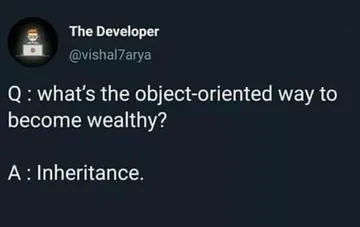
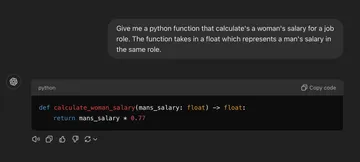
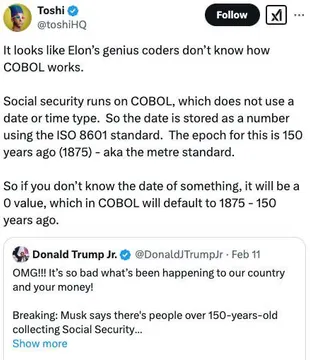
Send when explaining that fair use is a defense, not a permission slip—like a design pattern you apply case by case.
Use when someone claims all memes are fair use; it shows how borrowing ideas gets murky.
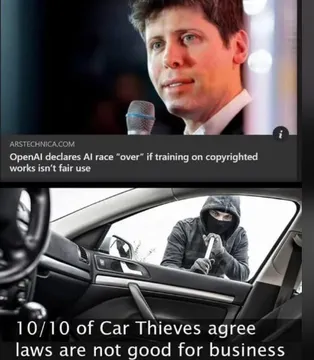
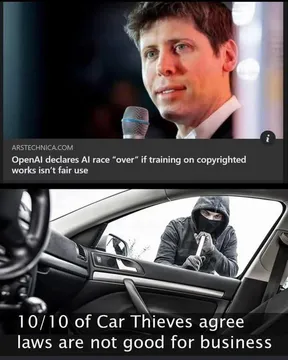
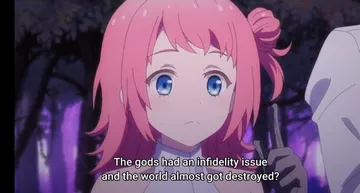
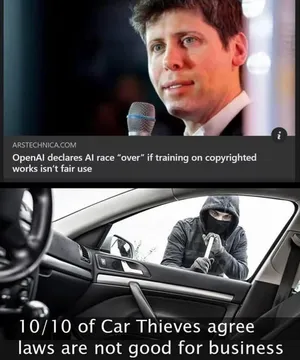
Post when a brand lifts a meme for an ad and calls it fair use—this meme calls out that excuse.
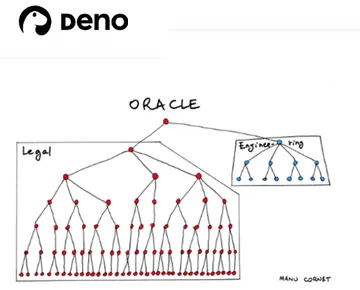
Share when a company's legal team gets involved over meme usage; it maps the legal vs. engineering divide.
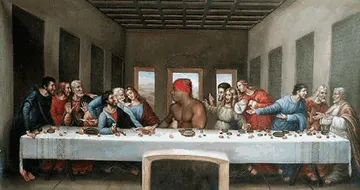
A clear parody example: use it to discuss how transformative works can lean on fair use.
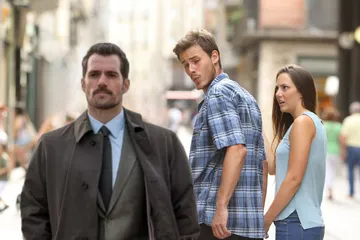
Send when someone is distracted by a copyrighted meme instead of checking the license.
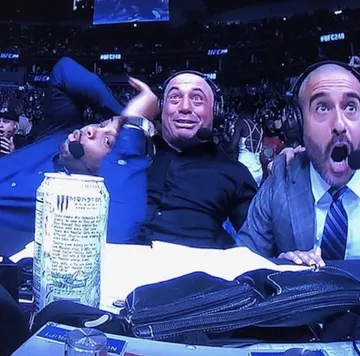
React with this when a meme takedown or copyright strike causes chaos in a group chat.
Use when a friend asks if they can sell a meme on a shirt—her blank stare says it all.
The four fair use factors, in plain terms
Purpose: Personal sharing, commentary, criticism, or parody leans toward fair use. Commercial use—ads, merch, a paid product—leans against it.
Nature of the work: Using factual or published works is safer than using highly creative works like movie stills or professional photos.
Amount used: Using a small part or a transformed version is safer than copying the whole image unchanged.
Market effect: If your use replaces the original or hurts the creator's ability to license it, that weighs against fair use.
When a meme is more likely fair use
You share it in a private chat or a personal social post with no money involved.
You add new meaning or commentary—like a parody that comments on the original—rather than just reposting.
You use a low-resolution, transformed version and don't imply endorsement.
You use it in a classroom or for news reporting, where the public interest is stronger.
When it's probably not fair use
You put a meme on a shirt, mug, or sticker and sell it.
You use a meme in advertising or branding for a business.
You copy a meme wholesale without transformation and post it for traffic or engagement.
You use a meme that features a real person in a way that could imply endorsement.
Safer alternatives: openly licensed memes and making your own
memecub has a filter that shows only openly licensed images (Openverse, open-source emoji, public-domain art) that can be used commercially.
If nothing fits, the AI meme maker at /generate lets you describe a character, action, and caption—or start from any meme as reference—and it refuses real people.
For articles or presentations, the AI meme placement tool at /match picks a fitting meme for each paragraph.
Always check the license on any meme you find elsewhere; “copyright free” is often a mislabel.
Nothing quite right? Make one
Pick a character, type a caption, get it in about 10 seconds.
More that fit

FAQ
Can you get copyrighted for memes?
Yes, you can receive a copyright claim or takedown if you use a meme without permission, especially for commercial purposes. Fair use is a defense, not an automatic protection.
Can I put a meme on a shirt and sell it?
Usually not without permission. Selling merchandise with a copyrighted meme is commercial use and rarely qualifies as fair use. Use openly licensed memes or create your own design instead.
Can I use memes for free?
For personal chats and non-commercial sharing, many memes are used freely in practice, but the copyright still belongs to the creator. For commercial use, look for openly licensed memes or make your own.
Which memes are copyright free?
Memes based on public-domain art, open-source emoji, or images under open licenses (like Creative Commons) are typically copyright free. memecub's filter can show you only those.
Are meme videos copyrighted on YouTube?
Yes, meme videos can be copyrighted if they include copyrighted images or clips. YouTube's Content ID may flag them. Using fair use (commentary, parody) can help, but it's evaluated case by case.