How can I find copyright-free memes for commercial use?
Most memes you find online are not copyright-free: the copyright stays with whoever made the original image, and using it in ads, on merch or in a monetized video is where infringement claims usually start. To stay safe, use only images with an explicit open license (Creative Commons, public domain) or make your own. memecub has a filter that shows only openly licensed images from Openverse, open-source emoji and public-domain art, which are the ones you can use commercially.
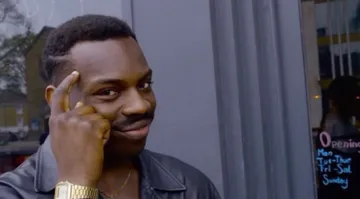
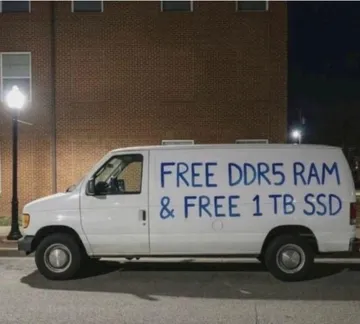
Send it when a teammate assumes a random meme from the timeline is fine to put in an ad.
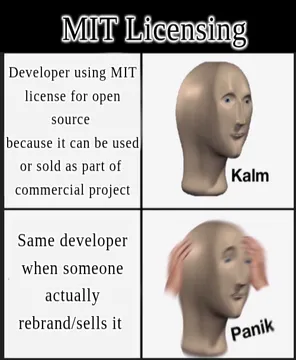
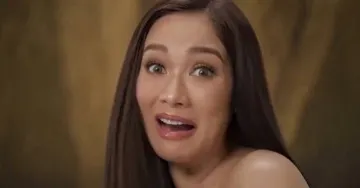
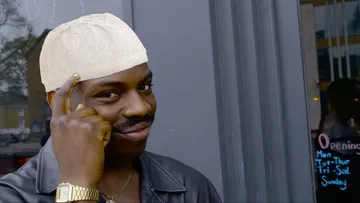
The face you make when you actually read the license and find out the meme is not free for commercial use.
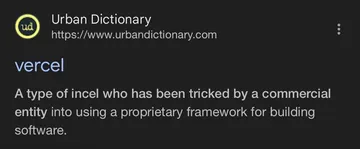
For the moment you realize the license on the image decides everything, not how funny it is.
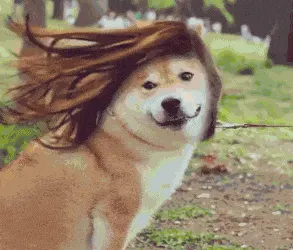
A calmer version of the same point: check the license first, stay calm, then post.
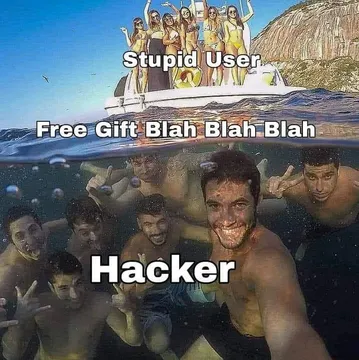
Use it to warn the team that a meme offered as “free to use” can still be a trap.
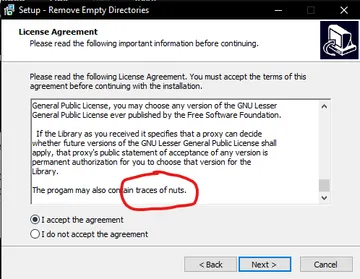
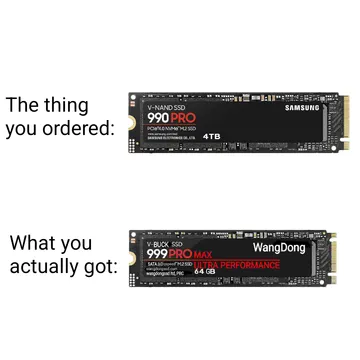
When a “free” meme pack turns out to have hidden terms attached.
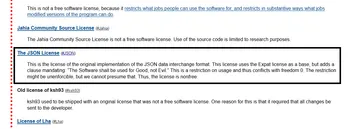
For discussions about licenses that look open but are not actually free to use.
Why most memes are not copyright-free
A meme is usually a photo, film still or illustration made by someone else, with a caption added. The caption is new, but the underlying image still belongs to its creator, so reposting it in a chat is one thing and putting it in an ad, a product or a monetized video is another.
Fair use is narrower than people assume. Commercial purpose weighs against fair use, and a brand using a meme in marketing is exactly the case where rights holders tend to send claims. Trademark is a separate risk: a meme built on a logo or brand phrase can trigger a trademark complaint even if the photo itself is licensed.
How to find memes you can use commercially
Look for an explicit license, not a vibe. Creative Commons (CC0, CC BY, CC BY-SA), public domain and open-source emoji sets are the categories that allow commercial use; check whether attribution is required and follow it.
On memecub, turn on the filter for openly licensed images. It limits results to Openverse, open-source emoji and public-domain art, which are the ones cleared for commercial use. The rest of the library is collected from the web and is meant for personal chats only.
If nothing fits, generate the image yourself with the AI meme maker at /generate: describe a character, an action and a caption, or use an existing meme as a style reference. It refuses real people, so you avoid likeness issues too.
Keep a record. Save the source URL and license text next to each asset you publish, so you can answer a claim or a client question later.
Checking a meme before you publish
1. Find the original source, not a repost. Reverse image search the picture and look for the photographer or illustrator.
2. Read the license on that source page. “Free to download” is not the same as “free for commercial use”.
3. Check for people, logos and trademarks in the frame; a license on the photo does not clear a brand logo or a celebrity's face.
4. If the license requires attribution, put the credit in the caption or the page footer.
5. When in doubt, replace the image with an openly licensed one or a generated one.
For developers: pulling licensed memes into a build
memecub exposes a REST API (search costs 1 credit per call), a remote MCP server at https://memecub.com/mcp, a CLI you can run with npx memecub, and a skill you can install with npx skills add https://memecub.com into Claude Code, Codex, Cursor and similar tools. A keyless trial gives you 20 searches a day.
A typical flow: search with the license filter on, store the returned source and license fields with the asset, and only serve filtered results in any commercial surface. The AI meme placement endpoint (/match) takes an article and picks a fitting meme per paragraph, which is handy for content pipelines.
Alternatives if you need a specific joke
Make the image yourself: a photo you shot, a drawing, or an AI-generated image with your own caption gives you the cleanest rights position.
Use public-domain sources such as museum open-access collections and government archives, then add your own text.
License a stock image and caption it; stock licenses usually cover commercial use and are easy to document.
Let your AI find the memes
REST API, remote MCP, CLI and a skill. Try 20 searches a day without a key.
More that fit
FAQ
Can I get copyrighted for using memes?
Yes. If the meme uses someone else's photo or artwork and you use it commercially without permission or a license, the rights holder can send a takedown or a claim. Personal sharing is lower risk but not automatically legal.
Is meme copyright free?
Usually not. The caption may be new, but the underlying image normally stays under its creator's copyright unless it is explicitly released under an open license or is in the public domain.
Can I use memes for free?
You can use memes that carry an open license or are public domain, and you can use memecub's openly licensed filter to find them. Web-collected memes in the library are for personal chats, not commercial use.
Can I put a meme on a shirt and sell it?
Only if you hold the rights to the image or it is openly licensed for commercial use, and there is no trademark or likeness issue in the picture. Selling merchandise is a clear commercial use, so fair use rarely helps.
How do I know if a meme is copyrighted?
Find the original source and read its license. If there is no license statement and no public-domain note, assume it is copyrighted and either get permission or use a different image.