Are memes copyrighted?
Yes, memes can be copyrighted. Most memes are built on photos, movie stills, or artwork owned by someone else, so the original creator keeps the rights. Sharing a meme in a personal chat is usually tolerated, but using it commercially, on merchandise, or in ads can be copyright infringement unless the meme is openly licensed or you have permission.
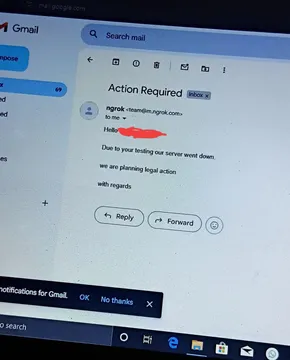
Send when you're nervously weighing whether a bold post will get you sued.
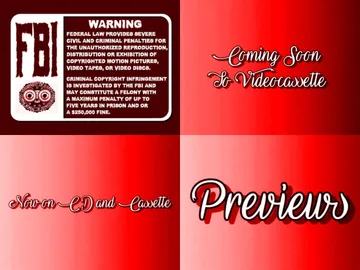
The retro FBI warning screen for when someone asks if that movie-still meme is safe to sell.
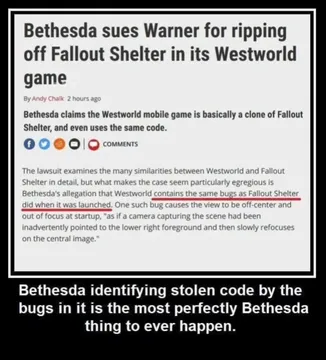
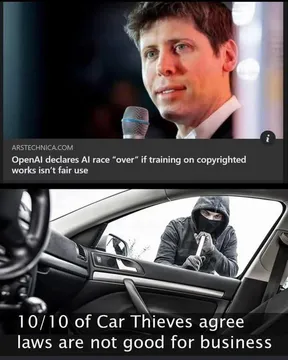
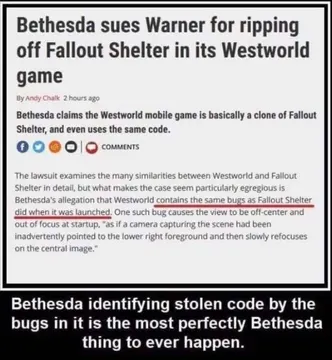
Use when a company copies another's work and calls it inspiration — the copyright irony meme.
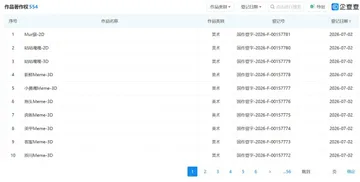
Shows a copyright registration list for viral memes, perfect when someone asks who owns a meme.
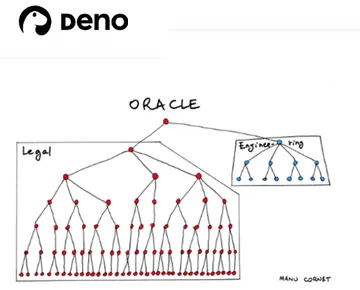
A logo meme with a beware-of-copyright caption for design and branding chats.
Drop it when a brand lifts a meme for a promo without checking the license.
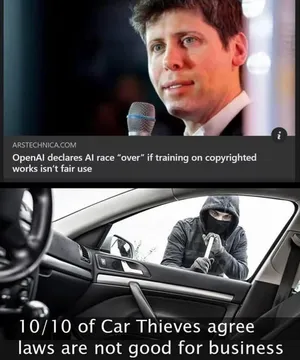
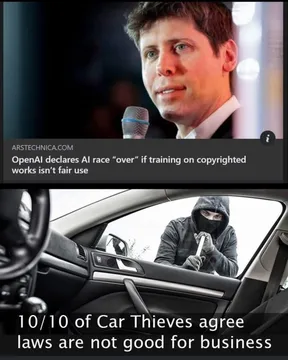
For discussions about AI companies and copyright, when the line between borrowing and stealing comes up.

When sharing a meme is usually fine
Personal, non-commercial sharing — sending a meme to friends, posting in a private group, or reacting in a chat — is the lowest-risk use. Many creators tolerate it, and some platforms have their own sharing rules.
Using a meme in a public post, video, or stream is murkier. If the meme includes a recognizable character, movie still, or someone's photo, the rights holder could ask you to take it down. Fair use may protect commentary, criticism, or parody, but it is decided case by case and is not a blanket permission.
On YouTube, a meme video can still get a copyright claim if it uses clips or music you don't own. The safest route is to use memes you created, memes with clear licenses, or short transformative uses that add commentary.
When you need permission or a license
Selling merchandise with a meme on it, using a meme in advertising, or putting it in a product almost always requires permission from the rights holder. That includes shirts, mugs, stickers, and paid promotions.
If you want a meme for commercial use, look for openly licensed images. memecub has a filter that shows only openly licensed images from Openverse, open-source emoji, and public-domain art, which can be used commercially.
When in doubt, ask the creator. A short message asking for permission, with credit, often solves the problem faster than guessing.
How to check if a meme is copyrighted
Start with the source. If the meme uses a movie still, a celebrity photo, or artwork from a known brand, assume it is copyrighted until you find a license that says otherwise.
Look for a license label. Public domain, Creative Commons, and open-source licenses tell you what you can do. A meme with no license information is not automatically free to use.
Use a library with clear filters. On memecub, browsing, searching, copying, and downloading are free and need no sign-up; most memes are collected from the web and are for personal chats, while the openly licensed filter is the one to use for commercial projects.
If nothing fits, the AI meme maker at /generate can create an original meme from your description in about 10 seconds, so you own the result instead of borrowing someone else's.
Nothing quite right? Make one
Pick a character, type a caption, get it in about 10 seconds.
More that fit
FAQ
Can you get copyrighted for memes?
You can get a copyright claim or takedown request if you use a meme that contains someone else's copyrighted work, especially for commercial purposes. Personal sharing is lower risk, but it is not a legal guarantee.
Can I put a meme on a shirt and sell it?
Usually not without permission. Selling merchandise with a meme is commercial use, so you need a license or an openly licensed meme. Check the license before printing.
Can I use memes for free?
For personal chats, many memes are shared freely, but the copyright stays with the original creator. For commercial use, look for openly licensed or public-domain memes, or make your own.
Which memes are copyright free?
Memes built from public-domain art, open-source emoji, or images with a Creative Commons license are the safest. A filter for openly licensed images helps you find them.
Are meme videos on YouTube copyrighted?
They can be. If your video uses movie clips, music, or images you don't own, the rights holder can claim it. Adding commentary or using licensed material reduces the risk.