What is fair use for memes?
Fair use is a US legal defense, not a blanket permission, and it is decided case by case on four factors: purpose of use (commercial vs. nonprofit), nature of the work, how much you copied, and the effect on the original's market. Using a meme in a paid app, ad or product usually weighs against fair use, while a one-off personal post or commentary often leans toward it. For anything you ship commercially, the safe path is a meme you made yourself or one from an openly licensed source, not a random image pulled from the web.
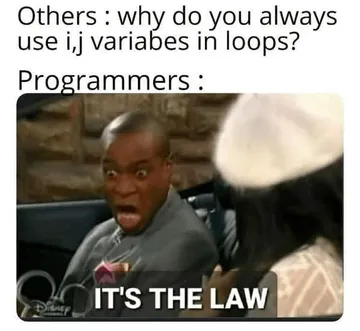
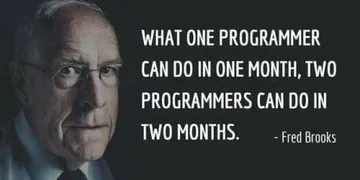
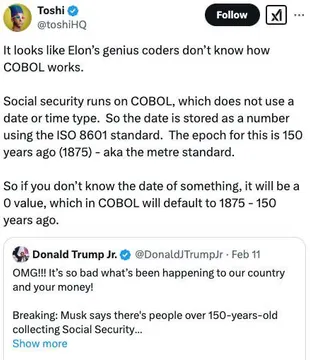
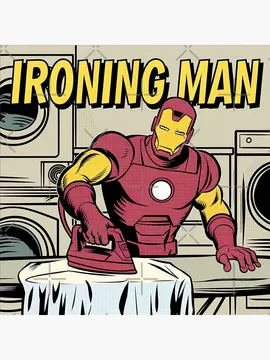
Send it when a teammate insists a borrowed meme is 'probably fine' to ship.
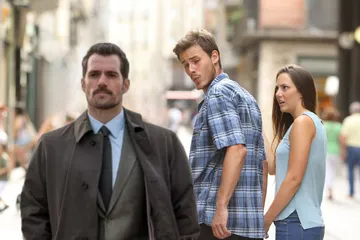
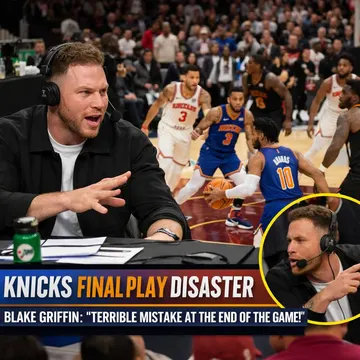
The same joke from the other side: everyone does it, which is exactly why the risk is easy to ignore.
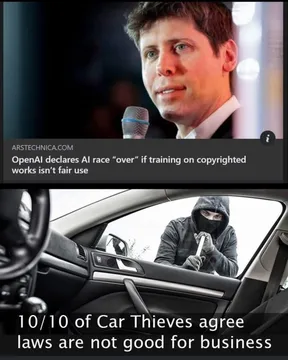
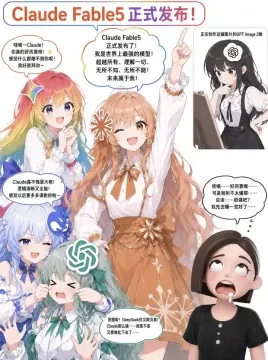
For the meeting where someone argues that copying is just how products get built.
Use it when a product ships a meme feature without anyone checking the license.
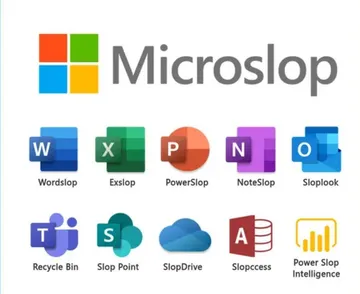
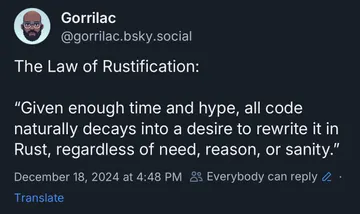
A dry way to say that the more memes you reuse, the less each one is worth and the more exposure you carry.
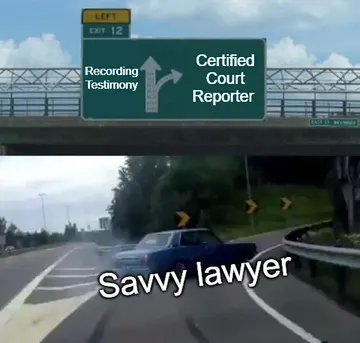
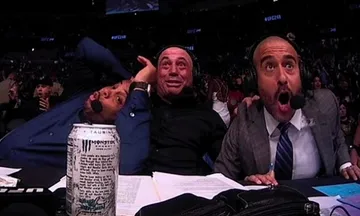
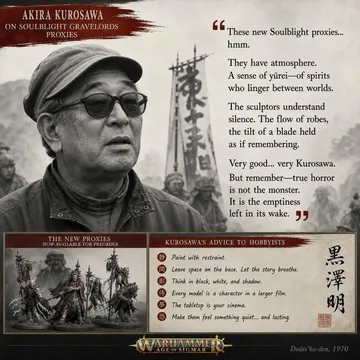
For threads about legal edge cases where the rules feel arbitrary but still apply.
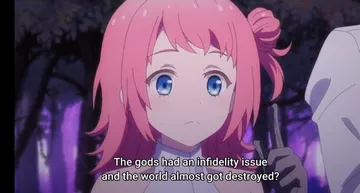
Send it when a copyright question turns into a legal review nobody planned for.
The four fair use factors, applied to memes
Purpose and character: a nonprofit commentary, review or parody leans toward fair use; a commercial product, ad or paid app leans against it. Adding your own caption does not automatically make a use transformative.
Nature of the work: memes built on photos, film stills or artwork are creative works, which get stronger protection than factual material.
Amount used: a meme usually copies the whole image, which counts against you even when the image is small.
Effect on the market: if your use replaces a licensing opportunity for the original creator, that is the factor courts weigh most heavily. Selling merch with a meme on it is the clearest example of harm.
When a meme is safe to ship
Personal chats and private sharing are the low-risk case. memecub's collected memes are meant for personal use, and copyright stays with the original creators.
For commercial work, use the openly licensed filter on memecub.com, which shows only Openverse, open-source emoji and public-domain art that can be used commercially. Check the specific license on each image before you ship.
If nothing fits, generate your own with the AI meme maker at /generate: describe a character, action and caption, or start from a reference meme. It refuses real people, which keeps you away from likeness issues.
Keep a record of where each asset came from and its license. That record is what protects you if a rights holder asks questions later.
Pulling memes into a product or agent
memecub exposes a REST API (search costs 1 credit per call), a remote MCP server at https://memecub.com/mcp, a CLI via npx memecub, and a skill you can install with npx skills add https://memecub.com into Claude Code, Codex, Cursor and similar tools.
A keyless trial gives you 20 searches a day, enough to test a pipeline before committing to a plan. The free tier includes 1000 credits a month.
Example flow: search with the licensed filter on, read the license field on each result, and only pass licensed images into anything user-facing or commercial. Treat unlicensed results as personal-use only.
The AI meme placement endpoint (/match) takes an article and picks a fitting meme per paragraph, which is useful for docs and blog posts where you control the source of every image.
Tone and etiquette
Credit the original creator when you know them, even when the license does not require it. It costs nothing and keeps relationships intact.
Do not put a brand logo next to a meme you did not make; that mixes copyright risk with trademark risk.
When in doubt, make the meme instead of borrowing it. A generated image with your own caption has a clean provenance.
Let your AI find the memes
REST API, remote MCP, CLI and a skill. Try 20 searches a day without a key.
More that fit
FAQ
Does fair use apply to memes?
Sometimes, but it is a defense you argue after being accused, not a permission you get in advance. Personal, noncommercial sharing is the safest ground; commercial use usually is not covered.
Can I get copyrighted for using memes?
Yes. A rights holder can send a takedown or claim infringement, especially when the meme appears in ads, products or permanent formats. Platforms often act on claims before any court weighs fair use.
Can I use memes for free?
For personal chats, yes, as long as you accept that copyright stays with the creator. For commercial use, use openly licensed images or make your own meme.
Can I put a meme on a shirt and sell it?
That is one of the riskiest uses. Selling merchandise based on someone else's image directly affects the creator's market, which weighs heavily against fair use.
How do I know if a meme is copyrighted?
Assume it is unless the source states a license. Look for a license field or a public-domain or Creative Commons mark, and keep a record of it.