Which memes are copyright free?
Most memes are not copyright free: the underlying photo, film still or artwork usually belongs to its original creator, even when the caption is new. Use web-collected memes for personal chats only, and for anything public or commercial switch to openly licensed images (Openverse, open-source emoji, public-domain art) or make your own with an AI meme maker. On memecub.com you can turn on the openly licensed filter to see only images cleared for commercial use.
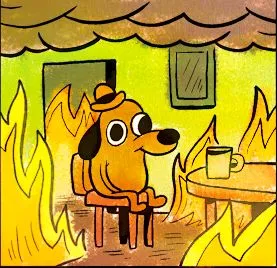
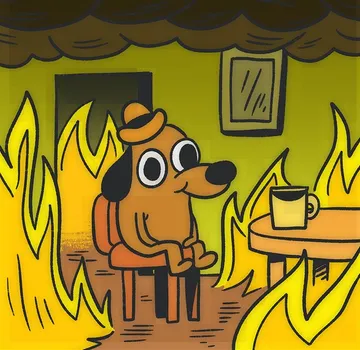
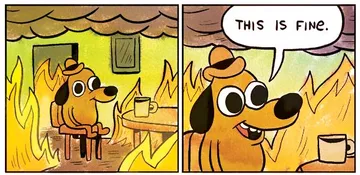
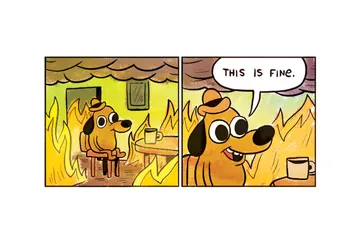
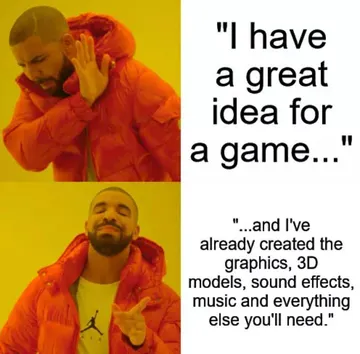
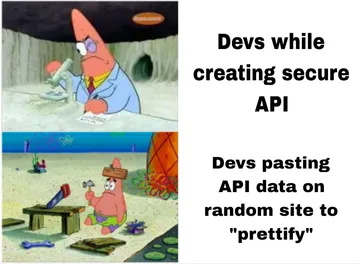
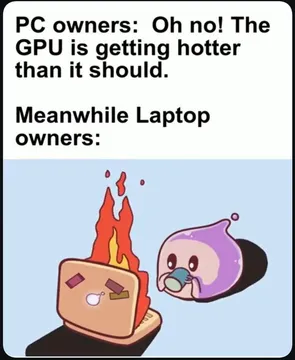
Send it when a licensing question lands on your desk and everything is already on fire.
The calm reply when someone asks whether the meme they grabbed from a group chat is safe to publish.
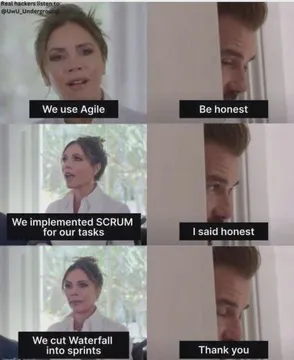
Use it in a team chat when a “no copyright” meme pack turns out to be anything but.
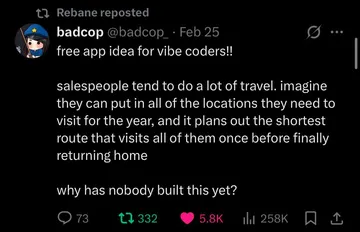
For the moment a brand account reposts a meme and the original photographer notices.
A polite way to decline a “just credit the creator” suggestion in a commercial project.
Celebrate when you finally find an openly licensed image that fits the joke.
For meetings where the license terms get more complicated with every slide.
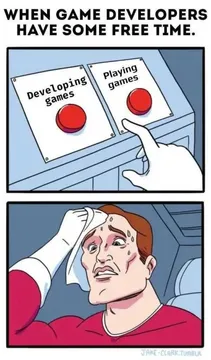
Pair it with a note about making your own meme instead of borrowing a risky one.
Why most memes are not copyright free
A meme is usually two layers: an image (a photo, a film still, a drawing, a stock picture) and a caption added on top. The caption may be yours, but the image underneath almost always belongs to someone else, and that copyright does not disappear because the picture went viral.
That is why “copyright free memes” packs on YouTube or Pinterest are risky. Many are reuploads of someone else's work with the credit stripped off. A video that says “no copyright” is not a license; only the creator or a clear license statement can grant you rights.
Personal use is a different story. Sending a meme to friends in a chat is normally fine. Publishing it in a video, an ad, a product page or a monetized post is where the trouble starts.
How to check whether a meme is safe to use
Step 1: find the original. Reverse image search the picture and look for the photographer, illustrator or studio behind it.
Step 2: read the license on the source page. Look for Creative Commons terms, public domain marks, or an explicit “free for commercial use” statement from the rights holder.
Step 3: check what the license requires. Some need attribution, some forbid modifications, some allow commercial use only under conditions.
Step 4: keep a record. Save the source link and license text next to the file so you can prove where it came from later.
Step 5: if you cannot find a clear license, treat it as not usable for public or commercial work.
Where to get memes you can actually use
Openly licensed sources are the safest route: Openverse aggregates Creative Commons and public-domain images, open-source emoji sets come with permissive licenses, and public-domain art (old paintings, vintage illustrations) is free of copyright in most cases.
On memecub.com, browsing, searching, copying and downloading are free and need no sign-up. Most of the library is collected from the web and is meant for personal chats, with copyright staying with the original creators. The openly licensed filter narrows results to images that can be used commercially.
If nothing fits, the AI meme maker at /generate lets you describe a character, an action and a caption, or start from an existing meme as a reference. It takes about 10 seconds per image and refuses real people, so you end up with an original image you control instead of borrowed artwork.
Tone and etiquette when sharing memes
Credit the creator when the license asks for it, and link back to the source rather than reposting a bare file.
Do not slap a “no copyright” label on someone else's image; that misleads the next person who finds it.
For brand or client work, prefer openly licensed images or your own AI-made memes, and keep the license note with the asset.
When in doubt in a group chat, a personal meme is fine; when in doubt for a public post, pick something else.
Nothing quite right? Make one
Pick a character, type a caption, get it in about 10 seconds.
More that fit

FAQ
Are memes copyright free?
No, not as a rule. The caption may be new, but the photo or artwork underneath usually belongs to its original creator, so public and commercial use needs a license or an openly licensed source.
Can I get copyrighted for using memes?
Yes. Rights holders can file claims or takedowns when a meme built on their image is used publicly, especially in monetized videos, ads or products. Personal chats are far lower risk than publishing.
Where can I download copyright free memes?
Use openly licensed collections such as Openverse, open-source emoji sets and public-domain art, or make your own. On memecub.com the openly licensed filter shows only images cleared for commercial use.
Can I use memes for free?
For personal chats, yes, that is what most web-collected memes are for. For commercial or public use, only when the license allows it or when you create the image yourself.
What about “no copyright memes” videos on YouTube?
Treat them with caution. A video title is not a license; check the original creator and the actual license terms before reusing anything from such a pack.