Can I put a meme on a shirt and sell it?
Usually no: most memes are copyrighted by their original creators, and selling them on shirts is commercial use that rarely qualifies as fair use. To sell legally, use memes you created yourself, memes under an open license, or public-domain images. On memecub.com, the license filter shows only openly licensed images that can be used commercially.
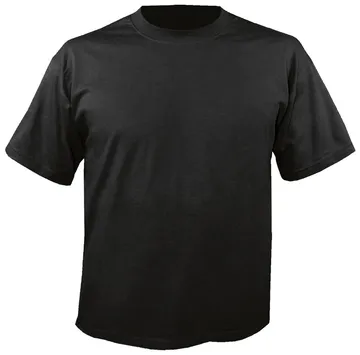
A blank T-shirt meme to illustrate the product before you add a design.
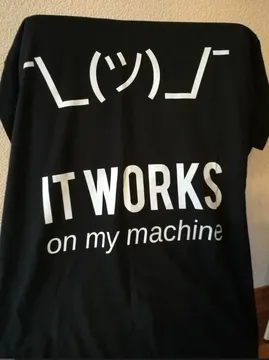
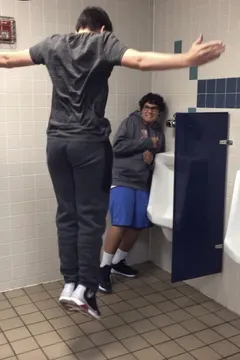
A T-shirt meme that jokes about a shirt that works, good for testing a design idea.
A funny T-shirt meme about a shirt that is hard to handle, useful when discussing shirt designs.
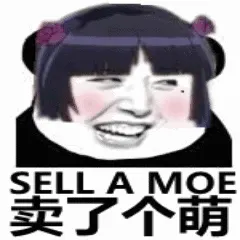
A text meme about merch, handy when you talk about selling merchandise.
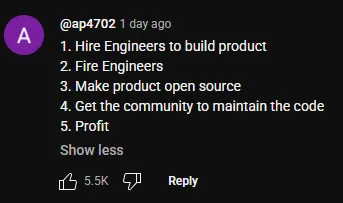
A coding-profit meme that fits developer-themed shirts you can create yourself.
A parody logo meme that shows why trademark and copyright matter for merch.
A profit-margin meme that pokes fun at selling add-ons, relevant to merch pricing talk.
A meme about profit over preservation, good for a discussion on commercial use.
When selling a meme shirt is legal
You can sell a shirt with a meme if you own the meme, if the meme is under a license that allows commercial use (like CC0 or public domain), or if you have permission from the copyright holder. Fair use is a defense, not a permission slip, and it is much weaker for products you sell than for commentary or parody.
On memecub.com, most memes are collected from the web and are free for personal chats only; copyright stays with the original creators. Use the license filter to show only openly licensed images from Openverse, open-source emoji, and public-domain art, which can be used commercially.
How to check a meme's copyright before you print
Step 1: Find the original source. Reverse image search the meme and look for the creator's name or the first upload.
Step 2: Look for a license. Check the source page for terms like CC BY, CC0, or public domain. If there is no license, assume it is all rights reserved.
Step 3: Avoid trademarks and logos. Even if the image is old, a brand logo or a famous character can trigger trademark claims.
Step 4: When in doubt, make your own. Use the AI meme maker on memecub.com to describe a character, action, and caption, or start from a reference; it takes about 10 seconds per image and refuses real people.
Using memecub for commercial-safe images
The free meme library at memecub.com lets you browse, search, copy, and download without signing up. For commercial projects, turn on the license filter to see only openly licensed images.
If you need a custom meme for a shirt, the AI meme maker (/generate) costs 500 credits per image. The free plan includes 1000 credits a month, and paid plans start at $3/mo for Hobby. You can also use the REST API (search 1 credit per call) or the CLI npx memecub to automate finding images.
Alternatives if you cannot clear rights
Commission an artist to draw a new meme for your shirt. You get exclusive rights and a unique design.
Use public-domain art or open-source emoji from the memecub filter and add your own caption.
Create an original meme with the AI meme maker and check the output license before selling.
Let your AI find the memes
REST API, remote MCP, CLI and a skill. Try 20 searches a day without a key.
More that fit
FAQ
Can I get copyrighted for using memes?
Yes, if you use a copyrighted meme without permission, especially for commercial purposes like selling shirts. The risk is higher when the use is not transformative.
Is meme copyright free?
No, most memes are protected by copyright from the moment they are created. Some are explicitly licensed for reuse, but you need to check each one.
Can I use memes for free?
For personal chats, often yes, but that does not mean you can sell them. For commercial use, look for memes under an open license or create your own.
Can I put a meme on a shirt and sell it?
Only if you have the rights or the meme is under a commercial-use license. Otherwise, it is likely copyright infringement.
What is fair use for memes?
Fair use is a legal doctrine that allows limited use of copyrighted material without permission, typically for commentary, criticism, or parody. Selling shirts is commercial and rarely qualifies.