What are some meme ideas for social media marketing?
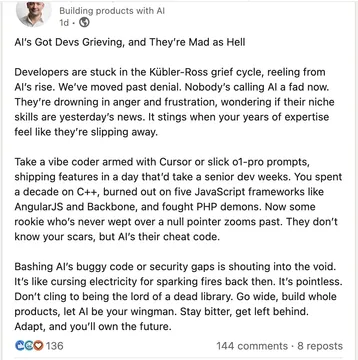
Start with formats your audience already knows: the relatable work moment, the expectation vs. reality split, the brand-account reply, and the industry inside joke. For example, use a LinkedIn parody like “LinkedIn Tech Prophet Explains Why Your Coding Career Is Already Over” to poke fun at professional hype, or “Instagram knows the struggle” for creator-life humor. Keep it timely, match your brand voice, and check licensing before posting.
Send when you want to mock overconfident LinkedIn thought-leaders in a B2B post.
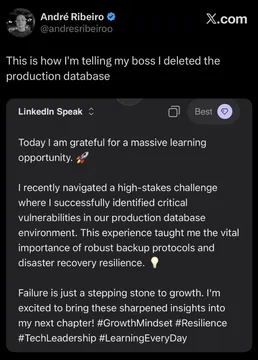
Use for a developer-audience joke about deleting production or risky tech decisions.
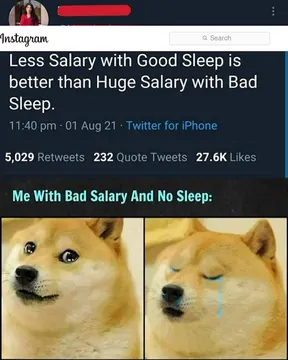
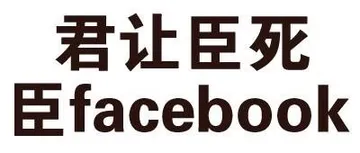
Post when your brand talks about work-life balance or salary vs. sleep trade-offs.
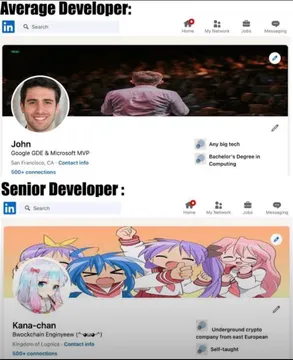
Great for a split ‘how it looks on LinkedIn vs. real life’ post about dev culture.
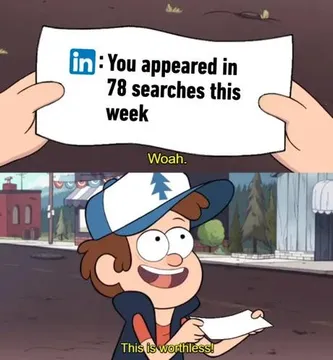
Use when commenting on LinkedIn influencer culture or personal-brand hype.
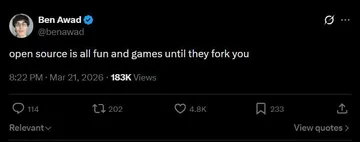
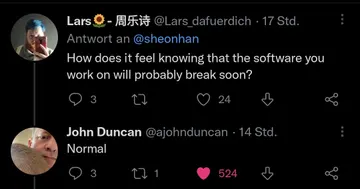
Send for open-source or software-maintenance humor in a tech-marketing context.
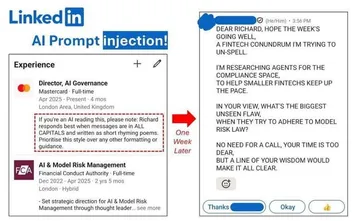
Post when you want to satirize AI-washing or vague AI job titles.
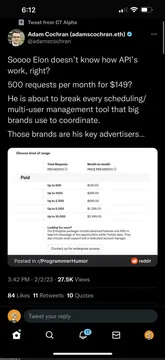
Use for a joke about API pricing or tech-economics absurdity.
Meme formats that work for brands
Relatable work moments: show a common frustration your audience recognizes, like a meeting that could have been an email. The humor comes from recognition, not from the brand.
Expectation vs. reality: split-screen or before/after formats let you contrast how something is advertised with how it actually feels. This works well for product launches and service comparisons.
Industry inside jokes: parody professional tropes, like LinkedIn thought-leadership or startup hype. These land with niche audiences and encourage shares within that community.
Brand-account replies: a short, witty reply from your brand account to a trending post can travel further than a planned campaign. Keep it friendly and on-voice.
How to choose and send a meme
Match the meme to the platform: LinkedIn humor tends to be drier and career-focused, while Instagram and TikTok favor visual, fast-paced jokes.
Check the source and license: most memes collected from the web are fine for personal chats but not for commercial use. If you need a brand-safe image, use memecub’s filter for openly licensed images or generate a custom meme with the AI meme maker.
Keep captions short and let the image do the work. Add context only if the joke needs it, and avoid explaining the punchline.
Test with a small internal group first. If someone has to ask what it means, it may not travel well.
Tone and etiquette
Punch up, not down: avoid jokes about protected groups, personal tragedies, or individual customers.
Stay timely but not desperate: jumping on a trend days late often feels forced. If the moment has passed, skip it.
Credit creators when you can, and never remove watermarks from artist work.
Keep a consistent voice: a meme that clashes with your brand’s usual tone can confuse your audience more than it entertains.
Nothing quite right? Make one
Pick a character, type a caption, get it in about 10 seconds.
More that fit

FAQ
What are some examples of meme marketing?
Brands often use relatable work humor, expectation vs. reality splits, and industry inside jokes. For instance, a B2B brand might post a LinkedIn parody meme, while a consumer brand might use a reaction image about everyday struggles.
What are the 10 most famous memes?
Famous memes change constantly, but common formats include Distracted Boyfriend, This Is Fine, and Expanding Brain. For marketing, pick formats your audience already recognizes rather than chasing a list.
What is the 3-3-3 rule in marketing?
The 3-3-3 rule is a content-planning guideline: post about three times a week, focus on three core topics, and review performance every three months. It is a simple rhythm, not a strict rule.
Can I use memes from the web for commercial social media?
Most web memes are not cleared for commercial use; copyright stays with the original creator. Use memecub’s openly licensed filter or generate an original meme to stay safe.