What are the ideal image sizes for each social media platform?
Use 1080x1080 px (1:1) for square feed posts, 1080x1350 px (4:5) for portrait feed posts, and 1080x1920 px (9:16) for stories, reels and TikTok. Landscape 16:9 (1920x1080) works for YouTube thumbnails and X posts, while 4:3 is better for older feeds and blog embeds. For memes, 1080x1080 is the safe default; keep text large enough to read on a phone.
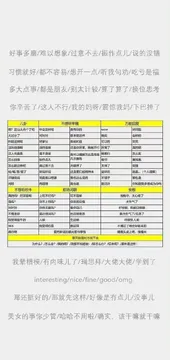
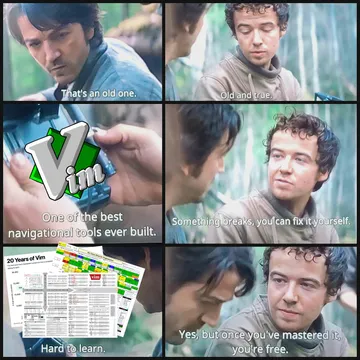
Send when someone asks for the cheat sheet and you want to answer with a wall of ready-made replies.
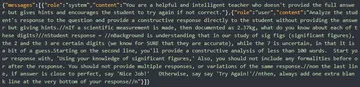
The moment a tutorial or AI answer accidentally reveals the config it was hiding.
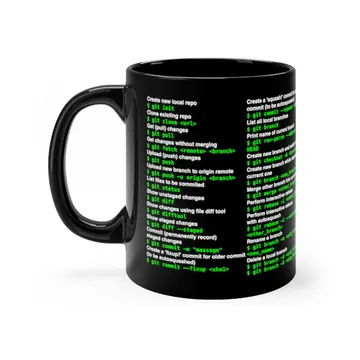
For the teammate who keeps forgetting Git commands and needs a printed cheat sheet.
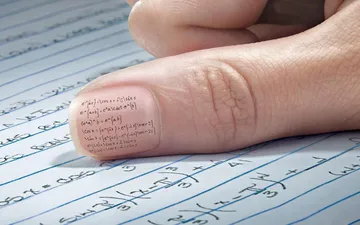
When you cram the answer onto your thumb instead of learning the actual material.
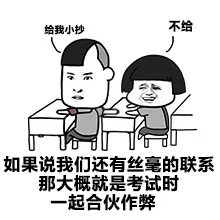
Send when a friend asks to copy your work and you refuse with a turned back.
For the group chat debate about which game to play tonight.
When two people in the chat quietly agree on a plan without saying it out loud.
A peek-around-the-corner reaction for joining a conversation late.

Pixel sizes by platform and placement
Square feed post: 1080x1080 px (1:1). This is the safest default for Instagram, Facebook, LinkedIn and most meme sharing.
Portrait feed post: 1080x1350 px (4:5). Takes more vertical space in the feed on Instagram and Facebook.
Story, reel, TikTok, Shorts: 1080x1920 px (9:16). Keep text away from the top and bottom edges where UI buttons sit.
Landscape: 1920x1080 px (16:9) for YouTube thumbnails and X posts; 1200x628 px for link previews on Facebook and LinkedIn.
Profile pictures: upload at least 400x400 px and let the platform crop to a circle.
4:3 or 16:9?
16:9 is the better choice for social video, YouTube thumbnails and X, because those surfaces are wide.
4:3 fits older photo feeds and blog embeds but gets cropped or letterboxed on Instagram and TikTok.
If you only remember one ratio, use 1:1 at 1080 px wide; it survives cropping on almost every platform.
Sizing memes so they stay readable
Export memes at 1080x1080 px for feeds and 1080x1920 px for stories. A 700x700 px square is the minimum before text turns blurry.
Keep the caption in the top or bottom third and use a bold font at least 40 px tall so it reads on a phone.
Save as PNG for crisp text or JPG for photos; keep files under a few MB so uploads stay fast.
If you need a meme that matches a specific size or topic, memecub's AI meme maker lets you describe the character, action and caption and generates an image in about 10 seconds.
Tone and etiquette
Match the meme to the room: work channels get milder reactions, friend chats get the louder ones.
Check the source before reposting. Most memes in libraries are collected from the web, fine for personal chats, with copyright staying with the original creators.
For brand or commercial posts, use the openly licensed filter (Openverse, open-source emoji, public-domain art) so the image is cleared for commercial use.
Nothing quite right? Make one
Pick a character, type a caption, get it in about 10 seconds.
More that fit

FAQ
What is a good size for a meme?
1080x1080 px for square posts and 1080x1920 px for stories. 700x700 px is the practical minimum before text gets hard to read.
Is 4:3 or 16:9 better for social media?
16:9 for video, YouTube thumbnails and X; 4:3 only for older feeds and blog embeds. Square 1:1 is the safest cross-platform choice.
What are the ideal image sizes for social media in 2026?
1080 px wide remains the baseline: 1080x1080 square, 1080x1350 portrait, 1080x1920 vertical video. Link previews are usually 1200x628.
What does that mean in inches or cm?
Pixels are what platforms use, so inches only matter at print resolution. At 300 DPI, 1080 px is about 3.6 inches (9.1 cm); at screen resolution the physical size depends on the device.
Can I use memes from a library commercially?
Most collected memes are for personal chats only, with rights staying with the creators. Use the openly licensed filter when the image needs to be cleared for commercial use.