Why does Gen Z use 😭 so much?
Gen Z uses 😭 as an all-purpose reaction, not a sign of real sadness. It usually means “I'm laughing too hard,” “this is too much,” “that's so cute,” or “I'm dying inside, but it's funny.” The tears signal intensity, so people stack it (😭😭😭) to show a reaction is bigger than words can carry.
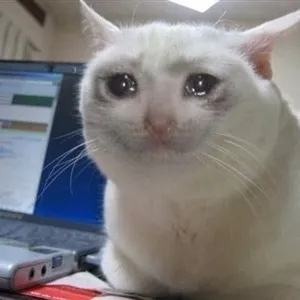
Send it when something is so funny or so overwhelming that words fail and only the watery eyes work.
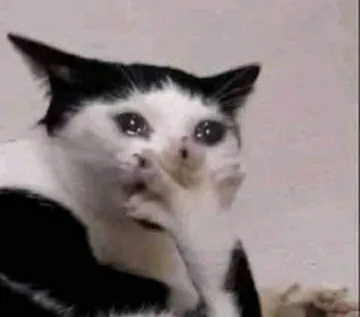
The paw-over-mouth version fits the “trying not to laugh out loud in public” moment.
Use it for full dramatic sobbing when a group chat joke lands too hard.
A quiet “I'm fine” reaction for when the 😭 is more about being done with everything.
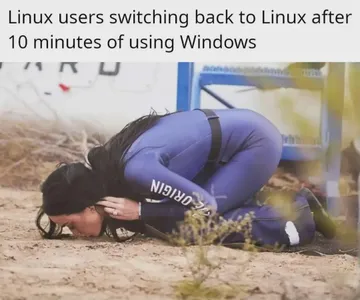
Pairs with 😭 when the joke is about how chaotic your own generation is.
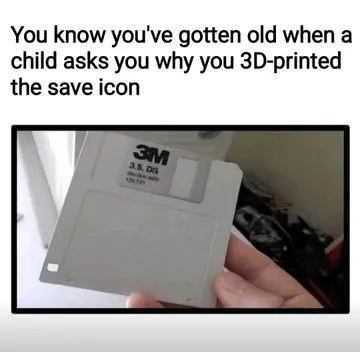
Send it with 😭 when something makes you feel old and emotional at the same time.
For the “laughing through the pain” mood that 😭 often stands in for.


What 😭 actually means in Gen Z texts
The loudly crying face is a tone marker. It tells the reader the message is intense, not literal. Depending on context it can mean “I'm crying laughing,” “I can't handle this,” “that's adorable,” or “this is so dumb it hurts.”
Real sadness usually gets words, not just an emoji. If someone sends 😭 alone after bad news, treat it as genuine. If it follows a joke, it is almost always laughter or overwhelm.
The number of emojis matters. One 😭 is a reaction; a row of them is a volume knob. Repeating it says the feeling is bigger than a single emoji can hold.
Why it spread so fast
It is fast to type and does a lot of work. One character can carry laughter, irony, cuteness and exhaustion, which saves typing in quick chats.
It softens a message. Saying “that's so dumb” can sound harsh; “that's so dumb 😭” reads as affectionate teasing.
It is a group signal. Using 😭 the same way as friends marks you as part of the same online tone, which is why it shows up in captions, comments and reaction images as much as in texts.
How to reply without sounding off
Match the energy. If someone sends 😭😭😭 after a joke, a short laugh or a single 😭 back is enough. A long serious reply kills the moment.
Do not use it for condolences or real bad news. In those cases plain words are safer, because the emoji can read as joking.
If you want a reaction image instead of the emoji, memecub has crying cats and dramatic sobbing pictures you can copy or download without signing up. When nothing in the library fits, the AI meme maker at memecub.com/generate can build one from a character, action and caption in about ten seconds.
😭 vs. the other crying emojis
😢 is a single tear and reads as mild, sincere sadness. 😭 is louder and more theatrical, which is why it became the funny one.
😂 and 🤣 are pure laughter. 😭 adds a layer of being overwhelmed, so it fits “laughing until I can't breathe” better than a plain smiley.
🥲 is a bittersweet smile with one tear, used for “this is fine” irony. 😭 is the louder, more chaotic cousin.
Nothing quite right? Make one
Pick a character, type a caption, get it in about 10 seconds.
More that fit


FAQ
What does 😭 mean from a girl?
Usually the same as from anyone else: laughing hard, finding something cute, or being dramatically overwhelmed. If it comes right after a joke, it is not a sign of real sadness.
What does 😭 mean from a guy?
In most Gen Z chats it means he is laughing or reacting strongly, not crying. Context decides: after a meme it is laughter, after serious news it can be genuine.
Is 😭 a crying emoji?
Officially it is the loudly crying face. In slang it has drifted into a general intensity marker, so it often means laughing or “I can't” rather than actual tears.
Why do people send 😭 😭 😭 😭?
Repeating it turns up the volume. A row of crying faces says the reaction is too big for one emoji, usually because something is very funny, very cute or very absurd.
What does the crying emoji mean in Blue Archive?
In game communities it works like anywhere else online: a reaction to funny or painful moments, often about gacha luck or story scenes. It is a mood signal, not a literal cry.