What are some examples of meme marketing?
Meme marketing means using a recognizable image format with a new caption to carry a brand message, and the common examples are relatable marketer humor (SEO struggles, sales vs marketing), brand accounts replying with reaction memes, and campaign posters or announcements built on a known template. A marketing meme works when the joke lands on a shared experience first and the brand is the punchline, not the setup. Pick a format people already recognize, write the caption in one line, and check the license before you post it commercially.
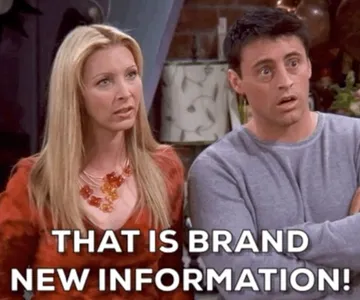
Send it when a client or boss states something everyone already knew, the classic brand-account reply.
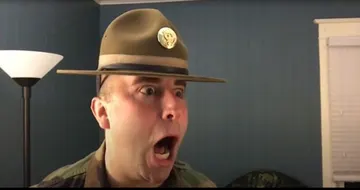
The blank stare for a campaign brief that changes direction for the third time.
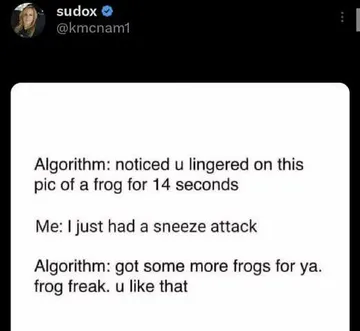
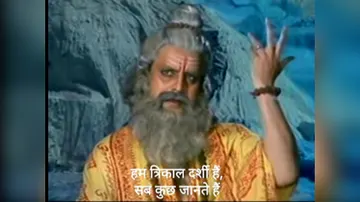
Use it to joke about targeting and recommendation algorithms, a favorite for digital marketing posts.
A flat, tired cat face for the “we posted and nobody engaged” moment in a social media report.
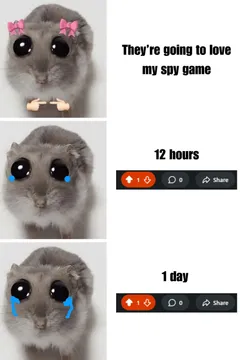
For the launch post nobody saw, or a newsletter asking whether anyone is out there.
A developer-flavored marketing joke for landing pages and campaign copy that breaks.
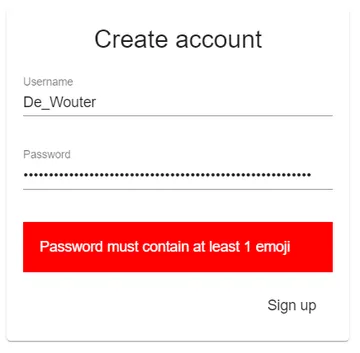
Good for security or SaaS brands poking fun at sign-up forms and password rules.
Use it when a brand account notices a trend in the comments and joins in.
The main types of meme marketing
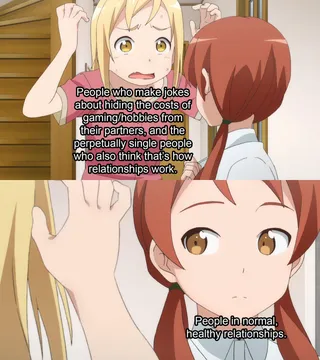
Relatable marketer humor: memes about SEO, content calendars, sales vs marketing and client feedback. These spread inside teams and get shared by marketing accounts, which is why so many “marketing memes” lists exist.
Brand account replies: a company account answers a customer or a trend with a reaction image. The meme carries the tone, the brand just shows up in the right moment.
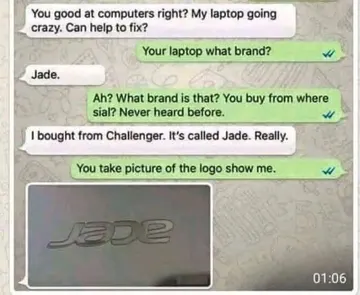
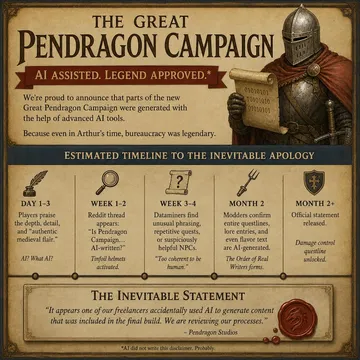
Campaign and announcement memes: a launch, poster or event dressed in a known format, like a retro parchment announcement or a logo joke. The template does the recognition work.
Product and category jokes: memes about algorithms, sign-up forms, passwords or dashboards. They suit SaaS and digital brands because the audience already lives with the problem.
How to make one in a few minutes
1. Name the shared experience in one sentence, for example “the brief changed again” or “nobody clicked the launch post”.
2. Find a format people already know. Search memecub.com for a reaction face or a chat screenshot that matches the emotion, then copy or download it.
3. Write the caption so the brand is the punchline, not the setup. One line beats three.
4. Check the license. Most memes in the library are collected from the web and are fine for personal chats, but copyright stays with the original creators and they are not for commercial use. Use the filter for openly licensed images when the meme goes into an ad or a paid post.
5. If nothing fits, the AI meme maker at /generate takes a character, an action and a caption, or a reference meme, and returns an image in about ten seconds. It refuses real people, so keep it to characters and objects.
Tone and etiquette
Punch at the situation, not at customers, competitors by name, or protected groups. A meme that mocks your own process usually ages better than one that mocks the audience.
Match the platform. A chat-screenshot meme reads as casual on social, but can look sloppy in a formal B2B deck.
Keep the format recognizable. If you crop or restyle a template until nobody knows it, you lose the reason memes work.
Credit when you can. Original creators keep the copyright on web-collected memes, so a source note is both polite and safer.
Where memes fit next to other content
Use memes for attention and tone, not for explaining a feature. Pair a meme with a short caption or a link to the real page.
For articles and newsletters, the AI meme placement tool at /match takes a pasted article and picks a fitting meme for each paragraph, which saves the manual search.
For teams building this into a workflow, memecub offers a REST API, an MCP server at https://memecub.com/mcp, a CLI with npx memecub and an installable skill, with a keyless trial of 20 searches a day.
Nothing quite right? Make one
Pick a character, type a caption, get it in about 10 seconds.
More that fit
FAQ
What is a marketing meme?
A marketing meme is a familiar image format with a new caption that carries a brand message or a marketer joke. The recognition of the format does most of the work; the caption makes the point.
What are some successful meme marketing campaigns?
The ones that get cited most are brand accounts replying with reaction memes, relatable marketer-humor series shared inside teams, and campaign posters built on a known template. Success usually comes from timing and a caption that names a shared experience, not from production budget.
Can I use memes from the web in a paid campaign?
Usually not. Most memes collected from the web are fine for personal chats, but copyright stays with the original creators and they are not for commercial use. Use the openly licensed filter for ads and paid posts.
What is the 3-3-3 rule in marketing?
It is a general content guideline, not a meme rule: some teams use it to mean a mix of content types or posting rhythms. It is not a memecub feature, so treat any specific version you read as a team convention rather than a standard.
Where can I find funny marketing memes to share?
Search memecub.com for terms like marketing, meeting or client, then copy or download what fits. Browsing and downloading on the site are free and need no sign-up.